In a world obsessed with productivity, performance, and personal optimization, sleep has become the newest frontier. Enter sleepmaxxing—a trend built around the idea that you can create the perfect night’s sleep through a careful mix of routines, supplements, and lifestyle tweaks. From blackout curtains and white noise machines to melatonin, magnesium, sleep trackers, and strict nighttime rituals, sleepmaxxing promises deeper rest, sharper focus, better mood, and even longer life.
But is sleep something we can truly “max out”? Or does chasing perfect sleep sometimes make things worse? Let’s explore what sleepmaxxing is, why it’s gaining popularity, what works, and where caution is needed.
What Is Sleepmaxxing?
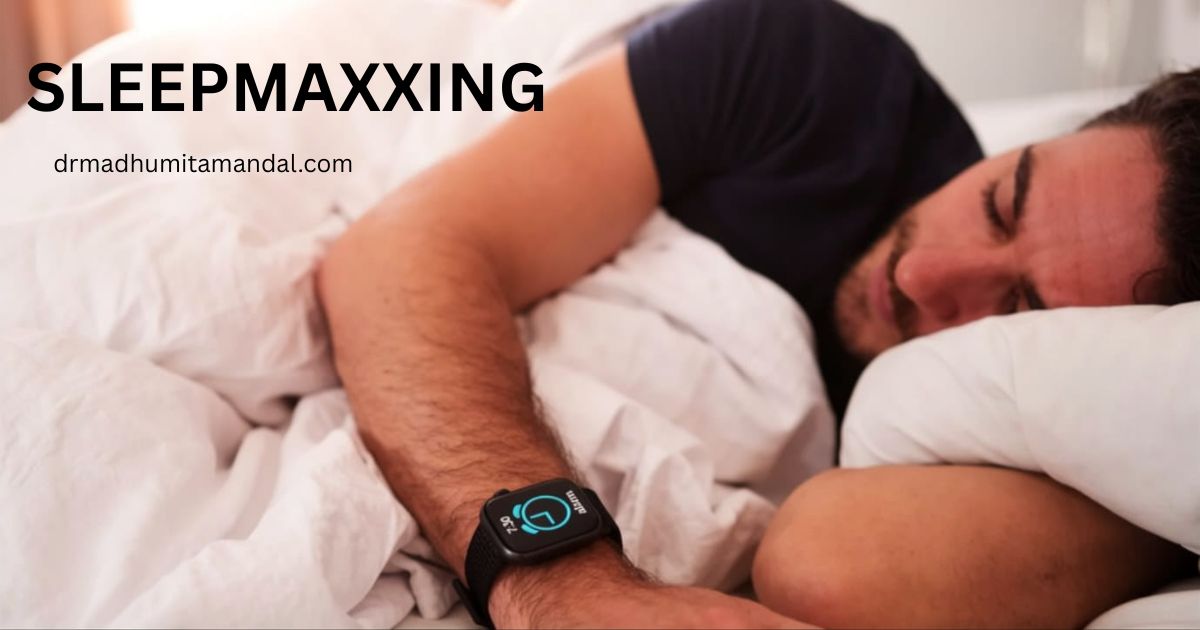
Sleepmaxxing is the practice of trying to optimize, refine your sleep through a combination of tools, routines, and lifestyle choices. It often includes:
- Tracking sleep with wearable devices or apps
- Using supplements like melatonin or magnesium
- Creating detailed nighttime routines
- Managing light exposure (blue-light blockers)
- Regulating room temperature and noise
- Following strict sleep schedules
- Limiting caffeine, alcohol, and screen time
At its core, sleepmaxxing is about control. Instead of leaving sleep to chance, proponents aim to measure it, refine it, and perfect it. Given rising awareness about the importance of sleep for immunity, mental health, metabolism, and longevity, it’s no surprise that sleep has become a wellness priority.
Why Sleep Has Become an Obsession
Modern life works against natural sleep patterns. Artificial light, late-night scrolling, global work schedules, and 24/7 connectivity disrupt our internal clocks. Stress levels are high. Burnout is common. And poor sleep is widespread.
Research consistently shows that sleep affects:
- Cognitive performance
- Emotional regulation
- Immune function
- Hormonal balance
- Weight management
- Cardiovascular health
In this context, sleepmaxxing feels empowering. If sleep is foundational to health, then optimizing it seems logical. But sleep is also deeply biological—and somewhat unpredictable. That’s where the tension begins.
The Psychological Side of Sleepmaxxing
Ironically, trying too hard to sleep can backfire. Sleep is a passive process. The more pressure we put on it, the more elusive it becomes. If you lie in bed thinking, “I need 8 hours or tomorrow will be ruined,” your stress response activates—making sleep harder.
Sleepmaxxing sometimes shifts sleep from a natural biological rhythm into a performance metric. When rest becomes another task to optimize, it can increase anxiety rather than reduce it. The goal should be better sleep—not perfect sleep.
The Tools of Sleepmaxxing
- Sleep Trackers: Helpful or Harmful?
Wearables and smart devices have made it easy to monitor sleep duration, heart rate, breathing patterns, and sleep stages. Many people find sleep trackers useful because they:
- Increase awareness of sleep habits
- Reveal patterns (late caffeine = worse sleep)
- Motivate better routines
- Provide long-term data
However, trackers are not perfect. Consumer devices estimate sleep stages and may not be fully accurate compared to clinical studies.
More importantly, some users develop anxiety about their sleep scores. This phenomenon, sometimes called “orthosomnia,” occurs when people become so focused on achieving perfect sleep metrics that they actually sleep worse. For some, sleep trackers are empowering. For others, they are just another source of stress.
- Supplements: Do They Really Work?
Two of the most popular supplements in sleepmaxxing are melatonin and magnesium.
Melatonin – It is a hormone naturally produced by the brain that regulates the sleep-wake cycle. As a supplement, it can:
- Help with jet lag
- Support shift workers
- Improve sleep onset in some individuals
However, its effects vary widely. Some people fall asleep faster. Others feel groggy.
It’s important to understand that melatonin is not a sedative—it signals your body that it’s time to sleep. Timing and dosage matter significantly. More is not necessarily better. Long-term effects of regular high-dose use still require more research, especially in certain populations.
Magnesium– It is a mineral involved in muscle relaxation, nerve function, and stress regulation. Some forms (like magnesium glycinate) are marketed for sleep support. Evidence suggests magnesium may help individuals who are deficient or who experience mild anxiety-related sleep issues. But again, responses vary. For some, it helps with relaxation. For others, the effect is minimal. Supplements can support sleep, but they are not magic fixes. They work best when paired with healthy habits.
- Environmental Optimization
Many sleepmaxxers focus on creating the ideal sleep environment:
- Cool room temperature
- Blackout curtains
- White noise or pink noise machines
- Comfortable mattress and pillows
- Minimal artificial light
These interventions are often evidence-based. Temperature regulation and darkness directly affect melatonin production. Noise reduction supports deeper sleep cycles. Unlike supplements, these environmental adjustments tend to have fewer downsides.
- Strict Sleep Routines
Another pillar of sleepmaxxing is consistency. Going to bed and waking up at the same time daily—even on weekends—helps regulate the circadian rhythm.
Other routine-based strategies include:
- Avoiding screens 30-60 minutes before bed
- Limiting caffeine after early afternoon
- Avoiding heavy meals late at night
- Practicing relaxation techniques like deep breathing or journaling
These habits are strongly supported by sleep science. Regularity reinforces the body’s natural clock.
The Science Behind Sleep Optimization
Many techniques involved in sleepmaxxing do work. Decades of research show that sleep hygiene—basic behaviours that promote healthy sleep—can significantly improve rest.
Key evidence-backed strategies include:
- Consistent sleep schedules
- Morning sunlight exposure
- Evening light reduction
- Limiting stimulants
- Stress management
- Regular exercise (but not too close to bedtime)
Sleep is influenced by genetics, stress, age, hormones, and life circumstances. No tool guarantees perfection and achieving “perfect” sleep cycles every night or dramatically increasing deep sleep through specific hacks should not be goal everytime.
Music, Sound, and Sensory Remedies for Sleep
The environment you sleep in is as important as anything you put in your body. Sound, in particular, has emerged as one of the most powerful and accessible sleep tools available.
Brown noise and pink noise have overtaken white noise as the favored auditory backdrop for sleepmaxxers. Unlike white noise’s sharp, static quality, brown noise has a deeper, richer rumble — think thunderstorm or rushing river — that many people find more soothing for sleep. Pink noise sits between the two and has been specifically linked in studies to enhanced slow-wave (deep) sleep and better memory consolidation overnight.
Beyond sound, temperature is one of the most evidence-backed levers in sleep quality. The body needs to drop its core temperature by approximately 1–2 degrees Fahrenheit to initiate sleep. Keeping the bedroom between 68–70°F (21–22°C), using a cooling mattress pad, or taking a warm shower 1–2 hours before bed (which paradoxically accelerates core temperature drop) are all effective strategies.
Blue light blocking glasses worn in the evening help preserve melatonin production by filtering out the wavelengths of light that suppress it. Combined with warm, dim lighting after sunset, this is one of the most impactful environmental interventions for sleep timing.
Weighted blankets (typically 10% of body weight) activate the body’s proprioceptive system, producing a “grounding” effect that lowers heart rate and anxiety — similar in mechanism to the feeling of being hugged.
Benefit of Sleepmaxxing
When approached reasonably, sleepmaxxing has real benefits:
- Increased Awareness
People become more conscious of their habits and how they affect rest.
- Improved Sleep Hygiene
Simple improvements like reducing screen time and managing light exposure can dramatically improve sleep quality.
- Health Motivation
Optimizing sleep often leads to improvements in diet, exercise, and stress management.
- Long-Term Health Gains
Better sleep supports immunity, mental health, metabolism, and heart health.
Sleepmaxxing can serve as a gateway to healthier living overall.
The Drawback of Sleepmaxxing
However, there are potential downsides of over optimization:
- Over-Reliance on Devices
Constant tracking can create stress or dependency.
- Supplement Misuse
Taking high doses of melatonin or combining multiple sleep aids without guidance can disrupt natural rhythms.3
3. Perfectionism
Believing that sleep must be optimized every night can create unnecessary anxiety.
4. Ignoring Underlying Issues
Persistent insomnia, sleep apnea, anxiety disorders, or hormonal imbalances require medical evaluation—not just lifestyle hacks.
The Future of Sleepmaxxing
As research grows, we will likely see more personalized sleep solutions—genetic insights, more accurate wearables, and targeted interventions.
However, one truth remains consistent: sleep is deeply individual.
What works for one person may not work for another. Supplements like melatonin or magnesium may help you sleep—but the effects vary widely. Tools like sleep trackers can be helpful—but for others, they can become stress triggers.
The key is self-awareness, not obsession.
Final Thoughts: Optimize, Don’t Obsess
The new trend of sleepmaxxing promises a kind of control. And in many ways, it delivers. When grounded in evidence-based habits, it can improve energy, mood, productivity, and long-term health.
But when taken to extremes, it can turn sleep into another pressure point in an already demanding world. Sleep doesn’t need to be hacked into submission. It needs to be supported.
Build healthy routines. Adjust your environment. Use tools wisely. Be cautious with supplements. And most importantly, allow sleep to happen naturally. Because sometimes, the best way to maximize sleep is to stop trying so hard—and simply let your body do what it has evolved to do.
Sleepmaxxing, at its best, is simply taking sleep as seriously as we take diet and exercise. You don’t need every gadget, supplement, and protocol to benefit — even implementing two or three evidence-backed changes can produce meaningful improvements in how you feel, think, and perform. The goal isn’t perfection; it’s consistency. And it turns out the most productive thing millions of people could do tomorrow is go to sleep a little earlier tonight.